However, excluding everyday informational texts and news, I do not like reading non-fiction. It bores me to tears. I hate textbooks (who doesn't?), and I can't even get myself to read dog training books, even though I'm addicted to always learning more about dog behavior. I feel like autobiographies are lame and wouldn't pick up a peer-reviewed journal without the looming presence of a grade hanging over my head to save my life (what we do for good grades...). When I am reading something I don't like, like a textbook, it takes me at least three times as longer to read than normal. Plus, I don't comprehend a thing and then do poorly on tests because reading the textbook just made me more frustrated with the class and/or subject.
I've already talked about how my family helped support my love of fiction. Without their encouragement, I probably never would have developed the passion that I have. I also was encouraged to read (scriptures) in church (I grew up in a very religious family), and while I'm assuming I was prompted to read in elementary school, I actually don't remember that very much. I do remember, however, this one book that our teacher was reading out loud to us and never finished. I don't know the title of the book and have tried figuring out what it was ever since, but to my everlasting disappointment, that story will never end. Something about a gargoyle in a dungeon....
When I was younger, I was extremely shy and introverted, preferring to spend time with my pets, books, and really close friends. When my family moved in seventh grade, it was traumatic. With the move, my life went into chaos and I regained my sanity through the solid characters in books. So, I didn't care if people thought I was snobby or too smart for my own good, I loved my books and that was all that mattered.
I apologize; reminiscing is fun, but only for those who are doing the remembering. Enough about me and my past, what really matters is how will my background help my future students? I think English teachers need to remember that everybody has different interests. I know plenty of English majors and librarians who thrive off of non-fiction. There are people everywhere who hate to read (like my brother, who claims the only book he's ever read is Charlie and the Chocolate Factory). I think if you can figure out what the student's interests are and encourage them to pursue that, then that's what counts. I went to the Temple Grandin lecture the other day, and she talked about how she loved to draw horses, so her mom encouraged her to do scholastic things with horses: drawing their heads, working on their corals, learning about their anatomy, doing math with feeding, etc. Grandin told the audience that children with autism need to find their passion and then spread it out from there. I think this applies to everybody-if a students loves fishing, then let them read books about fishing. If they only like comics, allow them to read graphic novels. If they prefer factual information, have them read scientific materials. While there will always be a curriculum, I think that choice needs to be involved as much as possible. I don't think we need to shut a student down just because they prefer graphic novels over a 200 page book. Everybody has to start somewhere and work on building positive associations with reading.
| A Tribute to My Brother |
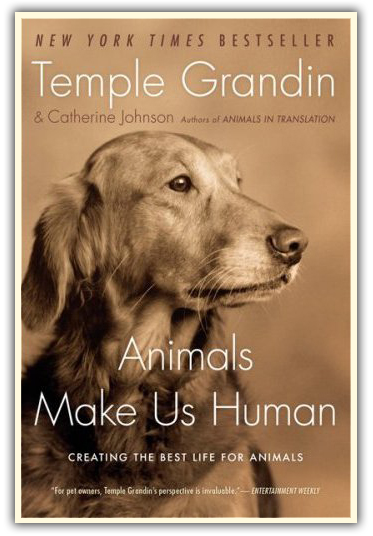 |
| Even though this is non-fiction, I am going to make a committed effort to read this book and expand my own boundaries. |
*Just a side note, it's note really like me to start a book and not finish it, but I think when I went through this P&P phase over the summer, I started and put down more books than I have ever done before. It really made me wonder about the publishing companies that printed that low level of writing...

I wish I had gone to Temple Grandin's speech--I just totally forgot about it, but she's one of my heroes. I loved her comment and how you applied that to your own teaching. I agree that people should have choices in what they want to read, that teachers should ideally take students' interest and expand from there.
ReplyDeleteI also think there's benefit, though, to having to read new genres so that students might expand their repertoires and find something new that they like to read.
I was an English major and used to hate research articles (like yourself) but now have grown to become kind of fond of them. :) So maybe there are genres out there that your students might like but they just might not know it yet.
Also--I love that you love YA Novels. That will be such a strength for you as an English teacher and will give you a lot to talk about with your students. You will be able to make a lot of good recommendations to your students individually because you have a sense of what's out there. :)